2.5K
Families Helped

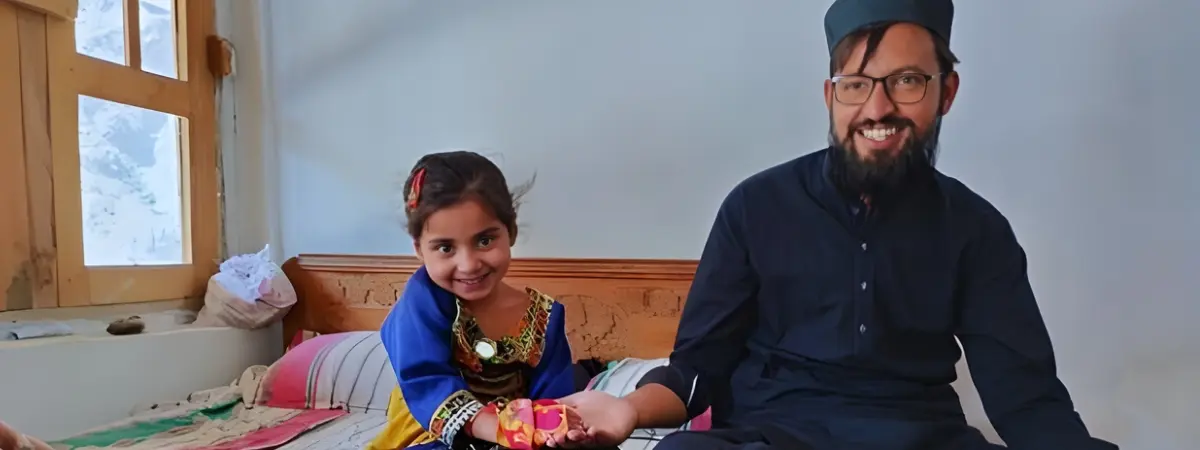
Core Mission: To ensure that no one is denied medical care due to poverty, especially those facing critical, life-threatening illnesses in remote areas.
Key Achievement: Over 72 critical patients have been treated, with UHO covering hospital bills, medication, and surgery expenses.
Logistics: The project involves arranging and funding the transportation of patients from remote villages to major cities with specialized hospitals (like Karachi or Peshawar).
Impact: Successfully saved lives and restored health, directly addressing the vulnerability of the region’s poorest citizens.
The challenges faced by the Upper Hand Organization (UHO) stem primarily from operating in the remote and vulnerable mountainous regions of northern Pakistan. These difficulties increase costs, complicate logistics, and create ongoing instability for the communities served.
Remote Access: Projects in northern Pakistan (Chitral) are in mountainous areas, making transport of heavy construction materials and equipment extremely costly and difficult.
Harsh Climate: Extreme weather (heavy snow, floods) severely limits construction windows and frequently damages existing infrastructure.
High Capital Costs: Building permanent infrastructure (44 homes, 43 water systems) requires constant, significant fundraising for high-cost materials and specialized installation teams.
Sustaining Continuous Aid: Ensuring long-term, stable funding for ongoing monthly support provided to the 16 families and 15 teachers.
Disaster Frequency: Frequent natural disasters (e.g., Buner floods) force UHO to divert resources from planned development projects to immediate, costly emergency relief and rehabilitation.
Service Gaps: UHO must constantly address critical service deficits (like medical transport and basic infrastructure) that public services fail to provide, creating a heavy operational burden.
Local Execution Model: Relying on our team of 25+ dedicated local volunteers and strong community partnerships to manage logistics and transport in difficult terrain, significantly reducing costs and increasing efficiency.
Sustainable Technology: Prioritizing installations that reduce long-term dependency, such as using solarized water systems to bypass unreliable power grids and expensive fuel costs.
Targeted Capital Campaigns: Focusing fundraising efforts on specific, high-value, permanent assets (e.g., funding an entire home or water system) to secure the large capital required for infrastructure.
Financial Transparency: Maintaining strict accountability for the over Rs 30 million utilized to build donor trust and encourage continuous, long-term support for monthly aid programs.
Resilient Infrastructure: Building homes and community assets (like the 44 homes and 74 mosques) using materials and construction techniques designed to withstand the harsh weather and seismic activity common in the region.
Empowerment Over Dependence: Investing in the Rozgar Scheme and education support to transition individuals and communities from relying on aid to achieving financial self-sufficiency and greater social resilience.